1. Early Risk Identification and Assessment
One of the most effective ways to manage construction risks is to identify potential problems before they occur.
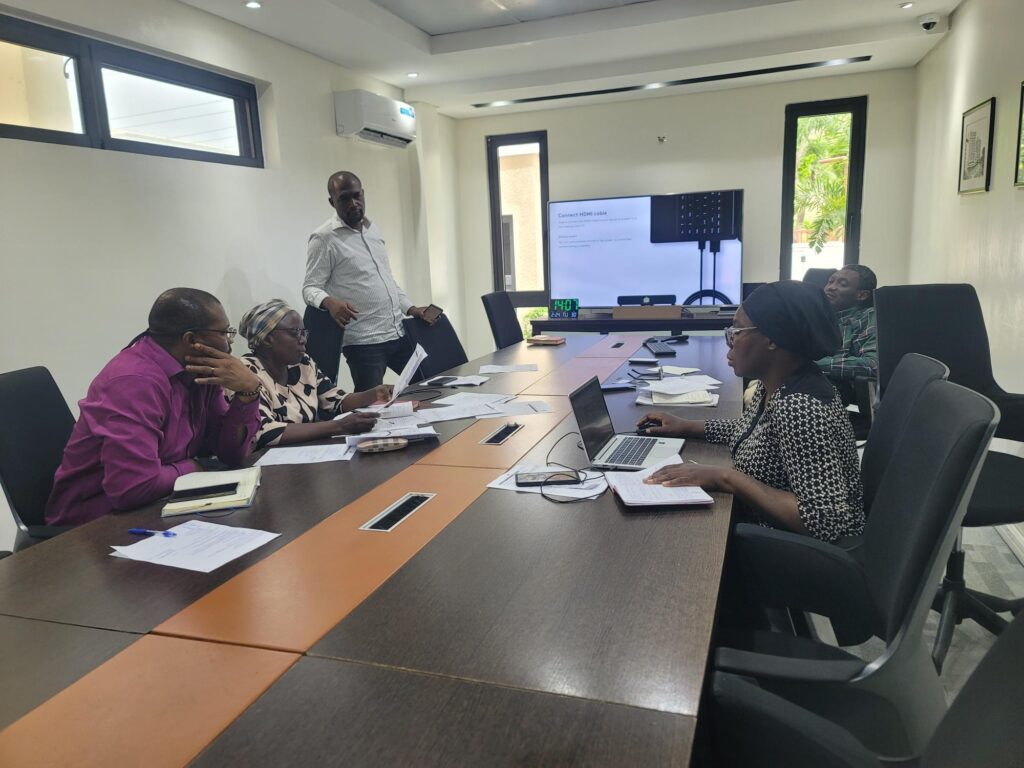
Project Management Consultants conduct early assessments to identify possible challenges relating to project scope, design, construction methodology, procurement, resources and site conditions.
By developing structured risk registers and mitigation strategies, they help project owners understand potential threats, assess their impact and establish appropriate responses before these risks escalate into costly problems.
2. Effective Cost Management and Budget Control
Financial risks can significantly affect the success of construction projects.
Project Management Consultants work with relevant professionals, including quantity surveyors, to establish realistic project budgets, monitor expenditure, assess variations and maintain financial accountability.
Through regular cost reviews, financial reporting and change management procedures, they help identify potential budget overruns early and recommend corrective actions.
This ensures that financial decisions are properly evaluated and project resources are utilized efficiently.
3. Program Management and Timely Delivery
Time management is essential to successful project delivery. A delay in one construction activity can affect several other activities, resulting in additional costs and missed deadlines.
Project Management Consultants develop and monitor project program, coordinate construction activities and track progress against agreed milestones.
They also identify critical activities, monitor contractor performance and address scheduling conflicts before they significantly affect the overall program.
This proactive approach improves coordination, reduces avoidable delays and supports timely project completion.
4. Design Coordination and Technical Oversight
Design inconsistencies and inadequate coordination between consultants can result in construction errors, rework and unnecessary expenditure.
Project Management Consultants facilitate coordination among architects, structural engineers, MEP consultants, quantity surveyors and other project stakeholders.
By encouraging effective communication and reviewing design deliverables at appropriate stages, they help identify potential clashes, resolve technical inconsistencies and ensure that design information is properly coordinated before and during construction.
5. Quality Assurance and Compliance Monitoring
Poor workmanship and non-compliance with technical specifications can compromise building performance, safety and long-term operational efficiency.
Project Management Consultants establish quality management procedures, coordinate inspections and monitor compliance with approved drawings, specifications, applicable standards and regulatory requirements.
By identifying defects and deviations early, they help reduce rework, protect project investments and promote the delivery of buildings that meet the required quality standards.
Conclusion
Construction risks cannot be eliminated entirely, but they can be anticipated, assessed and effectively managed through proper planning, professional oversight and coordinated project execution.
Project Management Consultants play an essential role in protecting construction investments by providing independent professional guidance, monitoring project performance and ensuring that potential risks are addressed throughout the project lifecycle.
At Consultants Collaborative Partnership (CCP), we recognize that successful project delivery goes beyond completing construction activities. It requires strategic planning, multidisciplinary coordination, effective cost and program management, quality assurance and continuous risk monitoring.
Through an integrated approach to project management, we help clients navigate construction complexities, make informed decisions and achieve project objectives with greater confidence.
A well-managed project is not simply one that gets completed; it is one that delivers the expected value, quality and performance while keeping risks under control.